
Delivery truck accident lawyer
Amazon vans, FedEx and UPS trucks, and the box trucks that make deliveries all day. When one of them hits you, the first question is who employed the driver, and the answer is often not the company whose name is on the package.
- Amazon, FedEx and UPS each deliver in a different way, in their own words below
- In New York City, box trucks were in 3,177 crashes in 2025, with 1,552 people injured
- No fee unless you win
The Cochran Firm New York
Who employed the driver: Amazon, FedEx, UPS and USPS
The company whose logo is on the van is not always the company that hired the driver. Here is what Amazon, FedEx and UPS each say about their drivers, quoted from the company's own website or its latest annual report to the SEC.
Amazon delivery vans
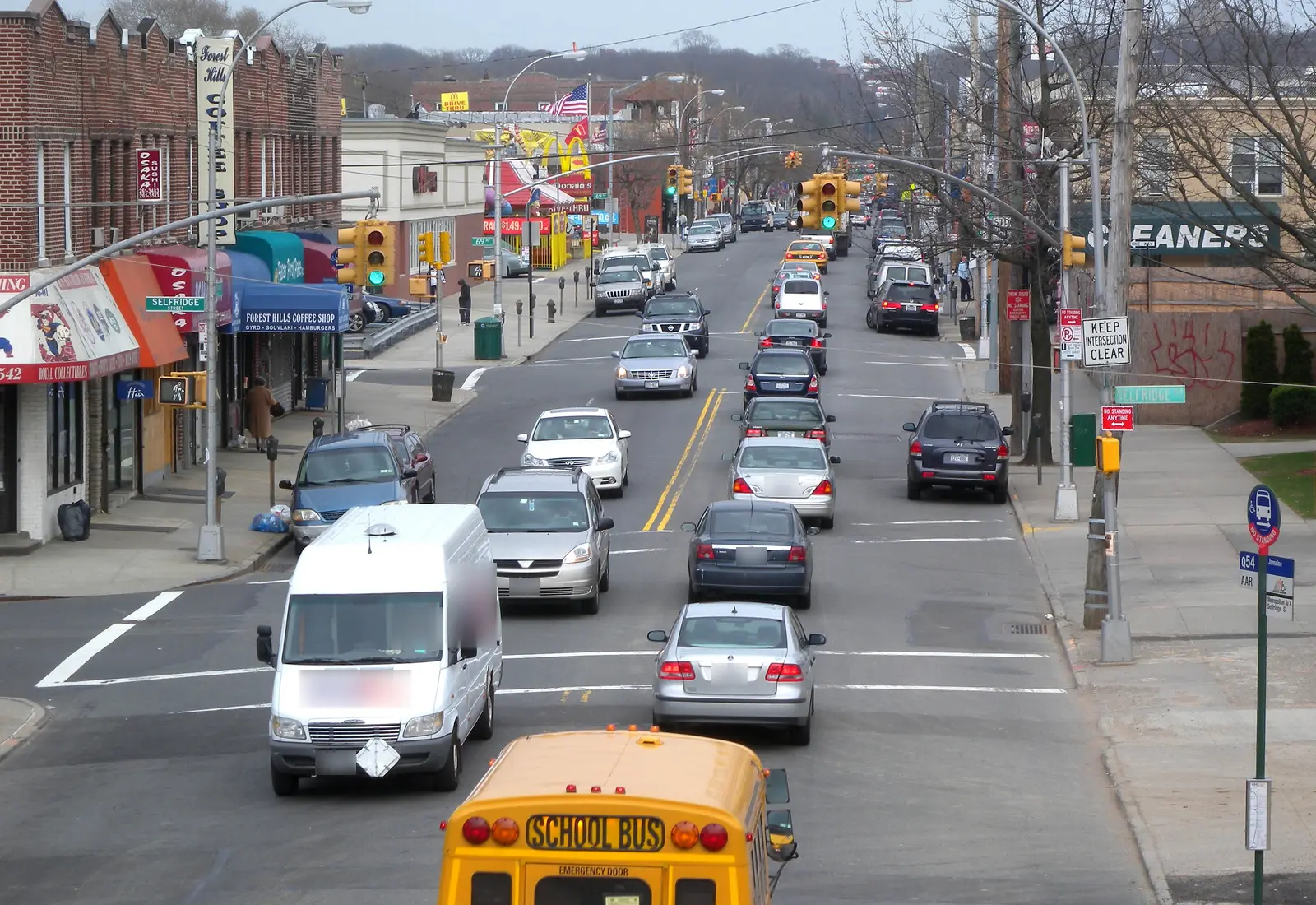
Amazon delivers through a program it calls Delivery Service Partners. Amazon describes the partners as “independent businesses” that “hire and manage their own employees.” The driver of a van in Amazon colours may therefore work for a local delivery company, not for Amazon.
Amazon Flex drivers
People who deliver through the Amazon Flex app sign Amazon's “Amazon Flex Independent Contractor Terms of Service.” Amazon treats them as contractors, not employees.
FedEx
FedEx now uses “both employee couriers and service providers”, chosen market by market, as it merges its Express and Ground networks. Where it uses service providers, the drivers are “employed by service providers” that FedEx contracts with. FedEx says it is not their employer or joint employer, and it reports that this position is being challenged in court.
UPS
UPS describes the people moving its packages as its own employees. In its 2025 annual report it says nearly 80% of its U.S. employees are union-represented, “primarily those employees handling or transporting packages”, many of them under its contract with the Teamsters.
USPS mail trucks
A crash with a Postal Service vehicle follows a federal claim procedure (39 U.S.C. § 409(c)). A written claim goes to the Postal Service first, within two years (28 U.S.C. § 2401(b)), and a lawsuit can start only after it is denied or six months pass without a decision (28 U.S.C. § 2675(a)). The amount in that first claim generally caps the lawsuit, so it is worth getting right.
An employer can be responsible for a crash its driver causes on the job. When the employer is a small delivery contractor, the questions become how much insurance it carries and which other companies share responsibility. The firm's lawyers work that out for your crash.
New York holds the vehicle's owner responsible
Under New York's Vehicle and Traffic Law § 388(1), every owner of a vehicle used in the state is liable for injuries caused by the negligence of anyone driving it with the owner's permission, “in the business of such owner or otherwise.”
For a delivery crash, that means the company that owns the van or truck can be responsible even when the driver works for someone else. The registration and plate number of the vehicle are how the owner is found, so note them or photograph them if you can.
Box truck crashes in New York City, 2025
Box trucks were in just over half of the 6,235 large-truck crashes in the city's 2025 police data. These figures count vehicles the police recorded as box trucks; delivery vans recorded as vans are not included. The New York City page breaks the truck crashes down by borough.
Source: NYPD Motor Vehicle Collisions, NYC Open Data dataset h9gi-nx95, crash dates 1 January to 31 December 2025, pulled 7 November 2026.
What the police recorded against the box truck
Where the police recorded a cause against a box truck in 2025, the most common was “Driver Inattention/Distraction”: 619 of 1,934 box trucks, or 32.0%. Passing too closely, following too closely and backing unsafely come next.
| Cause, in the NYPD's words | Box trucks | Share |
|---|---|---|
| Driver Inattention/Distraction | 619 | 32.0% |
| Passing Too Closely | 207 | 10.7% |
| Following Too Closely | 165 | 8.5% |
| Backing Unsafely | 142 | 7.3% |
| Passing or Lane Usage Improper | 134 | 6.9% |
| Other Vehicular | 93 | 4.8% |
| Turning Improperly | 84 | 4.3% |
Source: NYPD Motor Vehicle Collisions, NYC Open Data dataset h9gi-nx95, 2025, pulled 7 November 2026. For each of the 3,250 box trucks in a 2025 crash we counted the cause the police recorded for that vehicle. 1,316 had no stated cause (“Unspecified”, “Does Not Apply” or blank); shares are of the 1,934 that had one.
Who gets hurt in box truck crashes, and how
Of the 1,552 people injured in 2025 crashes involving a box truck, 1,407 were in a vehicle, 61 were on foot, 50 were on a bicycle and 34 were recorded as on another motorized vehicle. Of the 15 people killed, 8 were on foot.
| Body part, in the NYPD's words | People | Share |
|---|---|---|
| Back | 331 | 22.5% |
| Neck | 306 | 20.8% |
| Knee-Lower Leg Foot | 201 | 13.7% |
| Head | 173 | 11.8% |
| Shoulder - Upper Arm | 145 | 9.9% |
| Entire Body | 128 | 8.7% |
| Elbow-Lower-Arm-Hand | 75 | 5.1% |
These are injuries as written on the police report at the scene. For the 1,469 injured people with an injury type recorded, the report says “Complaint of Pain or Nausea” for 959 (65.3%) and “Fracture - Distorted - Dislocation” for 9. What counts for a pain-and-suffering claim is the injury your medical records show, measured against New York's “serious injury” list in Insurance Law § 5102(d).
Source: NYPD Motor Vehicle Collisions, person records (NYC Open Data f55k-p6yu) joined to the crash records (h9gi-nx95), 2025, pulled 7 November 2026. Shares are of the 1,471 injured people with a body part recorded; “Does Not Apply”, “Unknown”, “Unspecified” and blank are left out.
Evidence a delivery company holds
A preservation letter from a lawyer asks the delivery company, and any larger company it delivers for, to keep:
- the vehicle's GPS route and speed data for the day of the crash;
- delivery scan times, which show how many stops the driver had and how much time passed between them;
- any camera video from the vehicle;
- the driver's hiring, training and safety records;
- the vehicle's inspection and maintenance records.
For trucks covered by federal trucking rules, some driver records may lawfully be thrown away after six months. The New York City page lists each federal deadline.
Insurance behind the vehicle
A for-hire company carrying general freight across state lines in a vehicle of 10,001 pounds or more must carry at least $750,000 in liability cover under 49 CFR § 387.9. A van under 10,001 pounds falls outside that federal minimum, so the insurance behind it has to be found case by case: the delivery company's own policy, the vehicle owner's, and any policy covering a larger company it delivers for.
New York rules that apply to every delivery crash
- The 2026 fault rule. For lawsuits started on or after May 26, 2026, you cannot recover if your share of the fault is greater than the other side's (CPLR § 1411(b)). What changed
- Serious injury. To claim for pain and suffering, the injury must meet New York's “serious injury” list, which no longer includes the 90-of-180-days category (Insurance Law § 5102(d)).
- Deadlines. Three years to sue for injuries (CPLR § 214(5)); 90 days for a notice of claim if the vehicle belongs to a city, county or public authority (General Municipal Law § 50-e). All deadlines
What you can claim after a delivery truck crash
New York splits what you can recover in two: what your no-fault insurance pays first, and what you claim from the driver, the driver's employer and the vehicle's owner.
Paid first by no-fault, whoever caused the crash
Up to $50,000 per person in “basic economic loss” (Insurance Law § 5102(a)):
- medical, hospital and rehabilitation bills;
- lost earnings (lost wages), up to $2,000 a month for up to three years;
- other reasonable and necessary expenses, up to $25 a day for up to one year.
Claimed from the companies responsible
- Financial losses beyond no-fault. Medical costs and lost earnings above what no-fault pays. These do not depend on a serious injury.
- Pain and suffering. Only for a “serious injury”: Insurance Law § 5104(a) allows no recovery for non-economic loss “except in the case of a serious injury.” The injury must fit the list in § 5102(d), which, for lawsuits started on or after May 26, 2026, no longer includes the 90-of-180-days category.
- A death. The family can bring a wrongful death claim within two years of the death (EPTL § 5-4.1).
No-fault benefits are paid whoever was at fault. What you claim from those responsible is reduced by your share of the fault (CPLR § 1411), and for injury lawsuits started on or after May 26, 2026 it is barred if your share is greater than theirs (CPLR § 1411(b)). Which companies can pay depends on who employed the driver and who owned the vehicle.
How The Cochran Firm New York handles a delivery truck case
Your case review goes to the firm's office at 17 State Street, 14th Floor, Manhattan, where it is matched to the lawyer best suited to a delivery crash. If the firm takes the case, the first steps are identifying the vehicle's owner and the driver's employer, and sending the preservation letter to each.
Questions people ask after a delivery truck crash
Can I sue Amazon if an Amazon delivery van hit me?
It depends on who employed the driver and who owned the van. Amazon describes its Delivery Service Partners as independent businesses that hire and manage their own employees, so the driver may work for a local delivery company. Under Vehicle and Traffic Law § 388(1) the van’s owner is also liable for a permitted driver’s negligence. The firm’s lawyers find out who employed the driver, who owned the van, and the insurance behind each.
What if the driver was an independent contractor, like an Amazon Flex driver?
The contractor label decides who employed the driver, not whether anyone is responsible. The driver is responsible for their own negligence, and the vehicle’s owner is liable under Vehicle and Traffic Law § 388(1). When the driver used their own vehicle, that owner’s own policy is one of the insurance sources to check.
A USPS mail truck hit me. Is the claim different?
Yes. Claims arising from the Postal Service’s activities follow the federal tort claim rules (39 U.S.C. § 409(c)). A written claim must first be presented to the Postal Service within two years (28 U.S.C. § 2401(b)), and a lawsuit can start only after the claim is denied in writing or six months pass without a decision (28 U.S.C. § 2675(a)). The lawsuit generally cannot ask for more than the amount in that claim (28 U.S.C. § 2675(b)), so the claim has to be valued carefully before it is filed.
How long do I have to bring a delivery truck claim in New York?
Three years to sue a private company for your injuries (CPLR § 214(5)); two years from a death for a wrongful death claim (EPTL § 5-4.1); 90 days for a notice of claim if a city, county or public authority owned the vehicle (General Municipal Law § 50-e); and two years for the written claim if it was a Postal Service vehicle (28 U.S.C. § 2401(b)).
What should I do in the first days after a delivery truck crash?
Photograph the vehicle, its plate and any company name or number on it, and note the exact time and place: delivery scans and GPS data can put the driver at the scene. Within 30 days, give written notice to the no-fault insurer (11 NYCRR § 65-1.1). If you were driving, New York also requires a written report to the DMV within 10 days when anyone is hurt or one person’s property damage is over $1,000 (Vehicle and Traffic Law § 605).
Who pays my medical bills first?
No-fault insurance pays first, whoever caused the crash: up to $50,000 per person for medical bills, lost earnings and other reasonable expenses (Insurance Law § 5102(a)). Claims against the driver’s employer and the vehicle’s owner cover losses beyond that.
Do I need a serious injury to claim for pain and suffering?
Yes (Insurance Law § 5104(a)). The injury must fit New York’s “serious injury” list in Insurance Law § 5102(d). For lawsuits started on or after May 26, 2026, the “90 of the first 180 days” category no longer counts.
Sources
Every rule and number on this page comes from these sources, read on 7 November 2026:
- Amazon, “Everything you need to know about Amazon’s Delivery Service Partner (DSP) program”
- Amazon Flex, Deactivation Policy (names the Amazon Flex Independent Contractor Terms of Service)
- FedEx Corporation, Annual Report on Form 10-K for the year ended May 31, 2026 (filed July 20, 2026)
- United Parcel Service, Annual Report on Form 10-K for 2025 (filed February 17, 2026)
- NYPD Motor Vehicle Collisions – Crashes (NYC Open Data, h9gi-nx95)
- NYPD Motor Vehicle Collisions – Person (NYC Open Data, f55k-p6yu)
- N.Y. Vehicle and Traffic Law § 388: the owner is responsible for a permitted driver’s negligence
- 39 U.S.C. § 409(c): federal tort claim rules apply to the Postal Service
- 28 U.S.C. § 2401(b): two years to present a written claim to the federal agency
- 28 U.S.C. § 2675: no lawsuit until the agency denies the claim or six months pass
- 49 CFR § 387.9: minimum insurance for trucking companies
- 49 CFR § 395.8: drivers’ records of duty status, kept 6 months
- N.Y. CPLR § 1411(b): the 2026 fault bar in motor vehicle injury cases
- Senate Bill S9008-C (2025–2026), Part EE: signed May 26, 2026 as Chapter 58
- N.Y. Insurance Law § 5102: no-fault benefits and the meaning of “serious injury”
- N.Y. Insurance Law § 5104(a): when you can sue for pain and suffering
- N.Y. CPLR § 214(5): three years to sue for personal injury
- N.Y. EPTL § 5-4.1: two years to bring a wrongful death claim
- N.Y. General Municipal Law § 50-e: 90-day notice of claim
- 11 NYCRR § 65-1.1: no-fault notice within 30 days; proof of bills within 45 and 90 days
- N.Y. Vehicle and Traffic Law § 605: a driver’s written crash report within 10 days
This page is general information, not legal advice for your case. Amazon, FedEx, UPS and the Postal Service are named only to explain how their deliveries work; this site is not connected with any of them.